Kling 4.0 Keyframes: 10 Keyframes, 30s Clips

The short answer
Kuaishou's Kling AI launched Kling 4.0 on October 15, 2026, and Magnific began promoting its Keyframes feature, which accepts up to 10 keyframe images in one generation, on November 7. The model generates up to 30 seconds in a single pass, takes up to 15 reference assets and supports stereo audio. It is available on Kling's own site and through partners such as Magnific, AKOOL and Venice, with 4K, 10-bit HDR and enterprise API access listed as coming soon.
On this page (11 sections)
What is Kling 4.0 Keyframes?
Kling 4.0 Keyframes is a feature of Kling 4.0, the video model from Kuaishou's Kling AI, that lets you supply up to 10 keyframe images to direct how a scene unfolds. Magnific announced it on November 7, 2026, describing it as "storyboard to video in a single generation."
@Kling_ai quoted the Magnific post with the line "From the first frame to the last, you call the shots." Magnific's text says: "Use up to 10 keyframes to guide how your scene unfolds."
Kling's guide describes Kling 4.0 as a native multimodal video model built for more stable complex motion, stronger consistency across references and more controllable storytelling.
Kling 4.0 release date and availability
Kuaishou says Kling 4.0 officially launched on October 15, 2026. The company announced it in a press release dated October 16 through GLOBE NEWSWIRE. Kling's user guide is dated November 4, and the Keyframes push on Magnific followed on November 7.
A third-party review from MyClaw says Kling first announced the model on September 30 as early access, and that Kling 4.0 Flash opened September 28 to Ultra Yearly subscribers. Those dates are MyClaw's, and Kling has not confirmed them in its own announcement.
Partners are rolling it out. AKOOL posted on November 9 that Kling 4.0 is available in its Video Generator. Venice also lists the model, with an API key option.
Kling 4.0 Keyframes key features and specs
Kling 4.0 generates up to 30 seconds in one pass, accepts up to 15 reference assets and up to 10 keyframes, and adds two-channel stereo audio with improved lip sync. Prompts can run to 8,000 tokens, according to Kling's guide and press release.
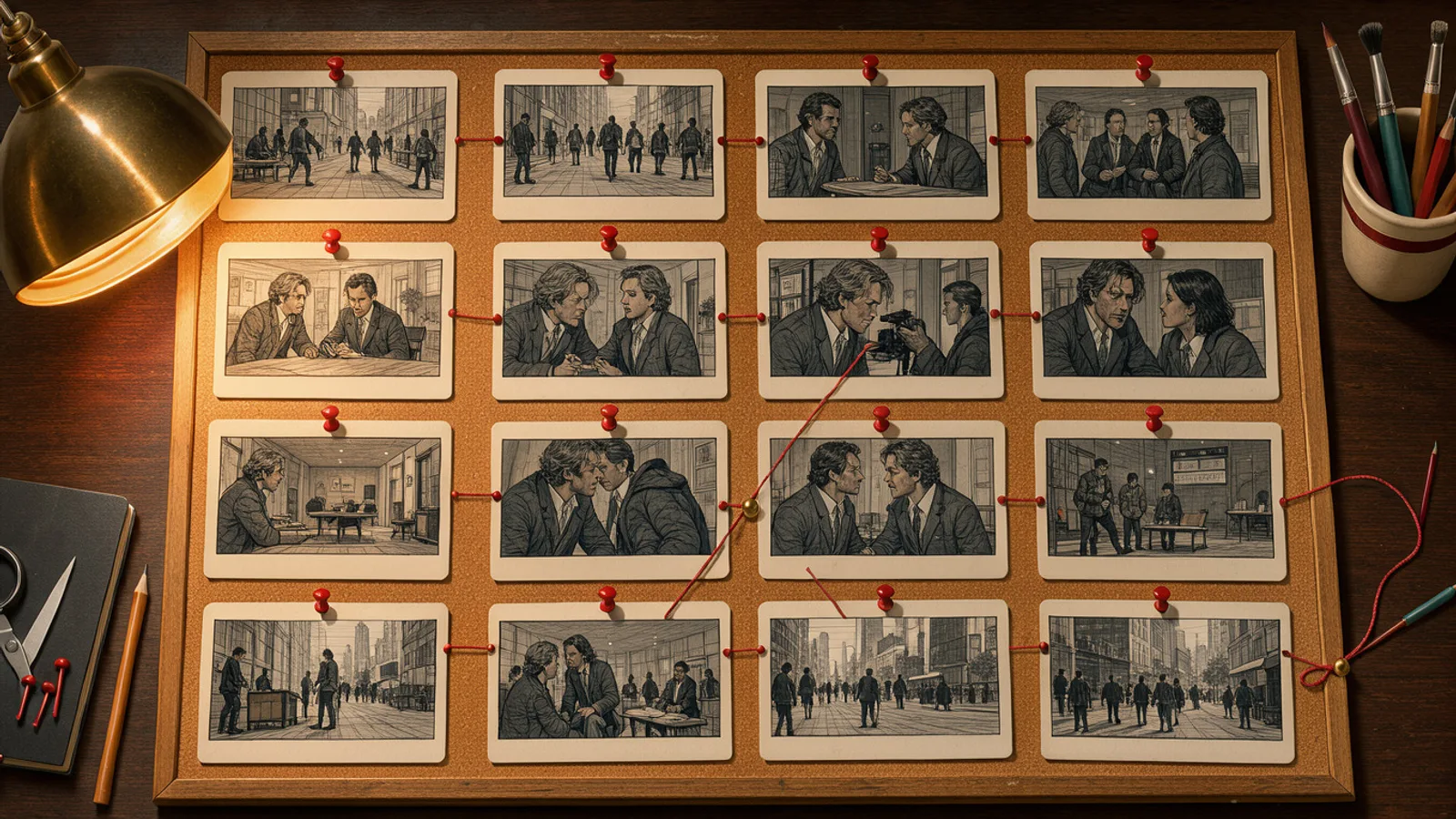 Storyboard frames pinned to a board and linked by string
| Spec | Details |
|---|---|
| Clip length | Up to 30 seconds (Venice lists 3s to 30s in 1-second steps) |
| Keyframes | Up to 10 |
| References | Up to 15: 10 images, 5 videos (30 seconds total), 7 elements |
| Audio | Native, two-channel stereo, improved lip sync |
| Resolution | 720p and 1080p on Venice; 4K coming soon |
| HDR | 10-bit, coming soon per Kling's guide |
| Aspect ratios | 16:9, 9:16, 1:1, 21:9 (per Venice) |
| Prompt length | 8,000 tokens (Kling); Venice lists 26,000 characters |
| License | Proprietary, no open weights |
Kling's press release also mentions video extension of up to two minutes. MyClaw lists it as coming soon.
Omni Reference and editing
Omni Reference accepts subject images, three-view character sheets, grid images, storyboards and wireframes. Video inputs can reference performance, camera movement and pacing. Kling also describes targeted edits to expressions, camera position and backgrounds while the rest of the scene stays stable.
Its "creative recreation" mode reuses the pacing and composition of an existing video while swapping in your own products or characters.
Kling 4.0 pricing and free access
Kling has not published a single per-clip price. Venice lists pay-per-clip pricing from $0.59 across text-to-video, image-to-video and reference-to-video variants, with 1080p as its top output.
MyClaw's review cites Kling's credit policy at $1 for 66 credits, and notes its plan prices come from third-party trackers and may have changed. Free access terms have not been announced. Magnific and AKOOL offer the model inside their own products, and neither has stated pricing.
Kling 4.0 vs competing AI video models
Kling 4.0's clearest structural edge is length and control. MyClaw cites a third-party comparison saying Kling 3.0 stopped at 15 seconds with start and end frames, so 30 seconds and 10 keyframes is a large step.
Venice says third-party testers found pure text-to-video realism can be beaten by rivals such as Seedance 2.0, and that Kling 4.0's edge shows when you feed it references. That is Venice's claim, and it has not published benchmark numbers for it.
How to use Kling 4.0 Keyframes for AI video ads
Keyframes fit ads where the sequence matters: product reveal, hand interaction, result. You pin the opening frame, the key product moment and the end card, and the model fills in motion.
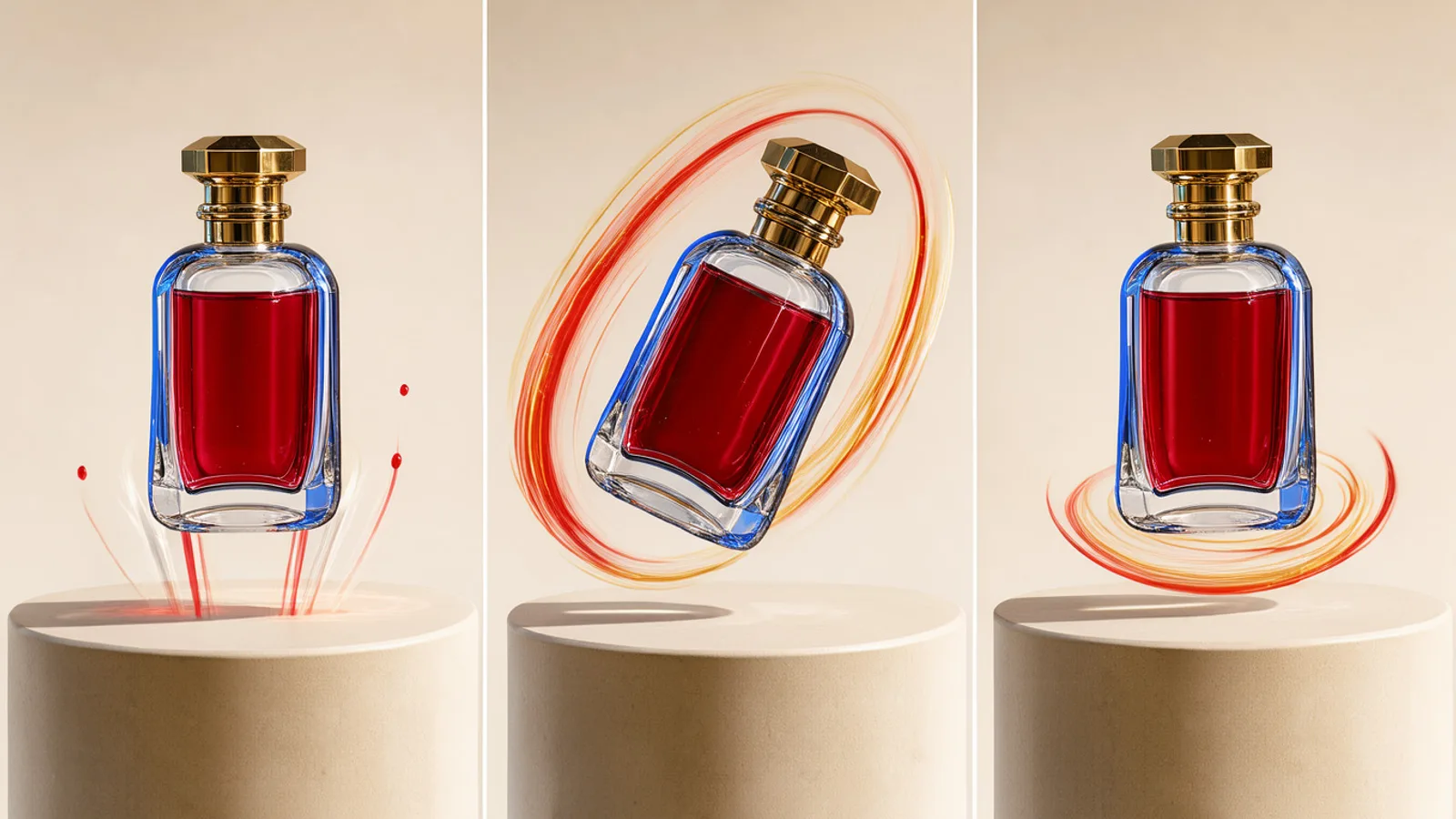 A product shown across sequential panels in a studio setup
Practical uses for performance teams:
- Hooks: Set a striking first frame and a payoff frame, then test variants by changing only the middle keyframes.
- Product consistency: Use references to hold a package or face steady across 30 seconds, which Venice lists as a strength.
- Recreation: Rebuild a winning ad's pacing with your own product through creative recreation. AdGraam Copy Ads covers the same idea for competitor formats.
- Aspect ratios: Generate 9:16 for Reels and 21:9 for wide placements from the same model.
Reference-driven results take work. Venice warns that every reference needs a clear job and every shot needs timing, or the model drifts. For hook testing, see our guide to hook rate and hold rate. You can compare Kling against other models in the AdGraam Playground.
What to watch next
Watch for 4K and 10-bit HDR output, which Kling lists as coming soon, and for enterprise and developer API access. Kling has not announced per-second API pricing yet.
Also watch how fast partners such as Magnific and AKOOL expose the 10-keyframe workflow, since that decides where marketers can use it today.
What people are posting
From the first frame to the last, you call the shots. 🎬 #Kling4 #KlingAI
Your next scene starts with an idea. Bring it to life with Kling 4.0 on AKOOL. From imaginative worlds to everyday moments with a cinematic twist, explore new ways to tell your story with AI video. Try Kling 4.0 in AKOOL’s Video Generator and see where your creativity takes https://t.co/mSWCFnWv7o
Key takeaways
- Kling 4.0 officially launched on October 15, 2026, according to Kuaishou's October 16 press release.
- Keyframes accepts up to 10 keyframe inputs to guide how a scene unfolds, from storyboard to video in a single generation.
- A single generation runs up to 30 seconds, and prompts can reach 8,000 tokens per Kling's guide.
- Omni Reference combines up to 15 assets: up to 10 images, 5 videos and 7 subjects.
- Venice lists pay-per-clip pricing from $0.59, with output capped at 1080p.
- 10-bit HDR, 4K output and some API access are still marked coming soon by Kling.
Compare 200+ AI video and image models side by side
Run Kling, Veo, Sora, Seedance, Flux, Ideogram and Recraft in one Playground, or turn any product URL into ready-to-launch ads.
Frequently asked
When did Kling 4.0 come out?
Kuaishou says Kling 4.0 officially launched on October 15, 2026, and announced it in a press release dated October 16. Kling's user guide is dated November 4, 2026. Magnific promoted the Keyframes feature on November 7.
How many keyframes does Kling 4.0 support?
Kling 4.0 supports up to 10 keyframe inputs in one generation. You define key visual moments, such as character states and scene changes, and the model fills in the motion between them.
How much does Kling 4.0 cost?
Kling has not published a simple per-clip price. Venice lists pay-per-clip pricing from $0.59, and a third-party review cites Kling's credit policy at $1 for 66 credits. Plan prices may have changed.
Can I use Kling 4.0 through an API?
It is available through API providers such as Venice, which lists text-to-video, image-to-video and reference-to-video variants. Kling itself describes API access for enterprise customers and developers as coming soon, according to a third-party review.
What is the maximum resolution of Kling 4.0?
Venice lists 720p and 1080p output. Kling says 4K and 10-bit HDR are coming soon, so they are not yet generally available.
Sources
More AI model news & creative guides

Kling 4.0 Video Edit: 30s Clips & $0.128/sec
Kling 4.0 Video Edit restyles or swaps content in existing 3 to 30 second clips from $0.128/sec. Get the spec table, ad workflow breakdown and access details.

Video Upscale: 1080P, 2K and 4K in AdGraam Playground
Video Upscale now runs in AdGraam Playground: output 1080P, 2K or 4K while keeping aspect ratio, frame rate and audio. Get specs, ad workflow and access.
MiniMax H3-Image Launch: Open Weights, US Excluded
MiniMax H3-Image is out with open weights, native 4K and 16 references. See the license limits (US excluded), spec table, API pricing and ad workflow tips.
Best AI Ad Generators for D2C Brands in 2026
Ten AI ad generators compared for D2C and e-commerce brands: what each makes, real starting prices, free options, and which suits Indian brands paying in rupees.
Break Even ROAS for COD Orders: How RTO Changes the Math
How to work out break even ROAS when a share of COD orders comes back as RTO, with worked rupee examples, a prepaid and COD mix, and why Ads Manager ROAS overstates COD.
What Indian D2C Brands Run on Meta: 2,790 Ads Analyzed
We studied 2,790 Facebook and Instagram ads from 14 Indian brands and their 747 longest-running ads: formats, angles, offers, languages and CTAs that last.
Your move
See your product as a winning ad
Turn a product URL into static ads and UGC-style videos, rebuild the competitor ads that already work, and read your Meta data to know what to make next.
AdGraam News DeskAI video and image news
The AdGraam News Desk (part of AdGraam, also searched as Adgram or Adgram AI) tracks AI image and video model launches, leaks and rumors from labs, leakers and creators, and checks each claim against its sources. Unconfirmed stories say so, and each page is updated as its story develops.