Muse Code 3D: Native GLB Generation, Limits & Access

The short answer
Meta launched native 3D model generation in Muse Code on Nov 20, 2026. Subscribers can turn a text description or an image into a textured GLB, with a Nano mode on the Everyday Usage plan (about 30 models per 5-hour window) and a Pro mode on higher tiers. It is available by installing Muse Code; no standalone 3D API has been announced.
On this page (11 sections)
What is Muse Code 3D generation?
Muse Code 3D generation is a feature Meta launched on Nov 20, 2026 that lets its Muse Code coding agent create textured 3D models from a text description or an image. Meta says Muse Code calls the tools as easily as it calls Muse Image for diffusion-based images.
The announcement came in a Meta developer blog post by Mike Arcuri. Meta lists games, 3D printing and scene visualization as the uses. A Reddit write-up summarizes it as 3D no longer being a separate step. Output lands in the project as a GLB file.
@ai_for_success listed it among 13 confirmed launches on Nov 20.
Muse Code 3D release date and availability
Muse Code 3D was announced Nov 20, 2026 and is available to Muse Code subscribers now. Install Muse Code with Meta's curl script for macOS and Linux, or the Windows installer, and the 3D tools are part of the agent.
Muse Wonder, Muse Spark and Muse Ember can all call the 3D tools. Meta says they use them when 3D looks like the best way to finish a task, so you do not always need to ask explicitly.
Muse Code has been out of beta since Aug 31, according to Jiberish Labs. Whether 3D will reach the Meta Model API or Meta AI apps is not announced.
Muse Code 3D key features and specs
The feature takes text or a single image and returns a textured mesh as a GLB. Meta offers two quality settings: Nano for faster, cheaper output and Pro for higher quality. Meta's gallery examples were all made by Pro from one input image.
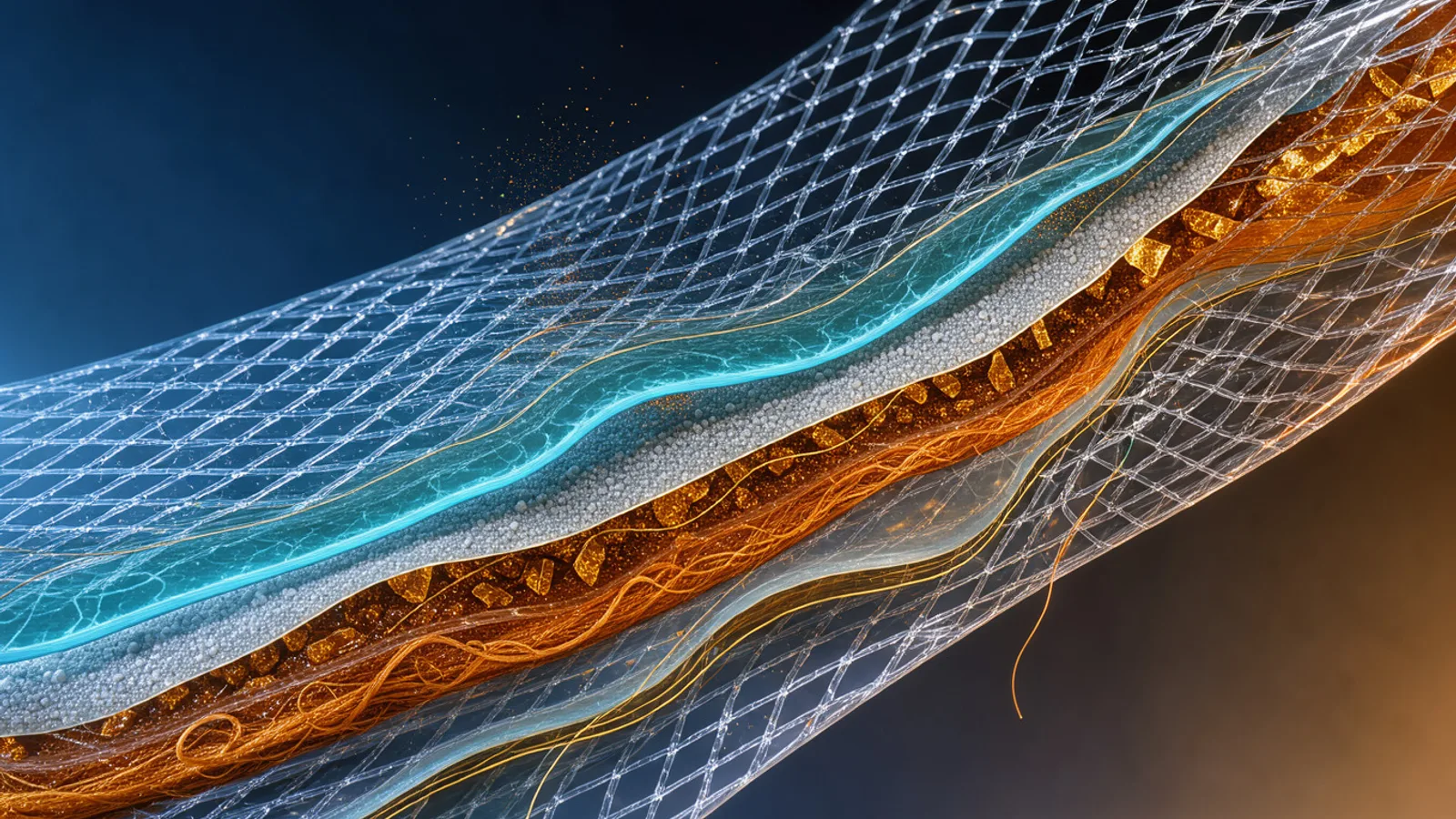 A translucent 3D mesh gaining textured surfaces under studio lighting
| Spec | Details |
|---|---|
| Input | Text description or image |
| Output | Textured mesh, GLB, saved to project |
| Modes | Nano (Everyday Usage plan), Pro (higher tier plans) |
| Base plan limit | About 30 models per 5-hour period |
| Rigging and animation | No built-in tool |
| Underlying 3D model | Not disclosed |
| Standalone API | Not announced |
| Platforms | macOS, Linux, Windows |
Meta's sample categories include objects (castle, motorcycle, battleship, coral reef) and characters (goblin, cyborg soldier, chibi vampire). Two downloadable projects are provided: a Dungeon Crawler mini-game and an apple varieties comparison website.
For characters, Meta suggests prompting: "Rig this character with a Mesh2Motion human skeleton and Blender automatic weights, and deliver a web viewer that I can use to inspect the character with simple animations."
Muse Code 3D pricing and free access
There is no separate price. 3D creation counts against your Muse Code subscription. The Everyday Usage plan allows about 30 models per 5-hour period, and higher tiers allow more, plus Pro quality.
Jiberish Labs lists Muse Code plans from $5 to $200 a month. Drew Mailen lists Power at $50 and Maximum at $200. Which tier maps to Everyday Usage, and a free tier, are not stated.
Jiberish also notes Muse Code subscriptions default to Contributor mode, under which Meta can train on prompts, code and files. Teams with confidential product assets should check that setting first.
How to use Muse Code 3D for ads
For performance teams, this is a developer tool first. It does not output video or flat ad images. Still, a GLB is a reusable asset, and a few uses are plausible.
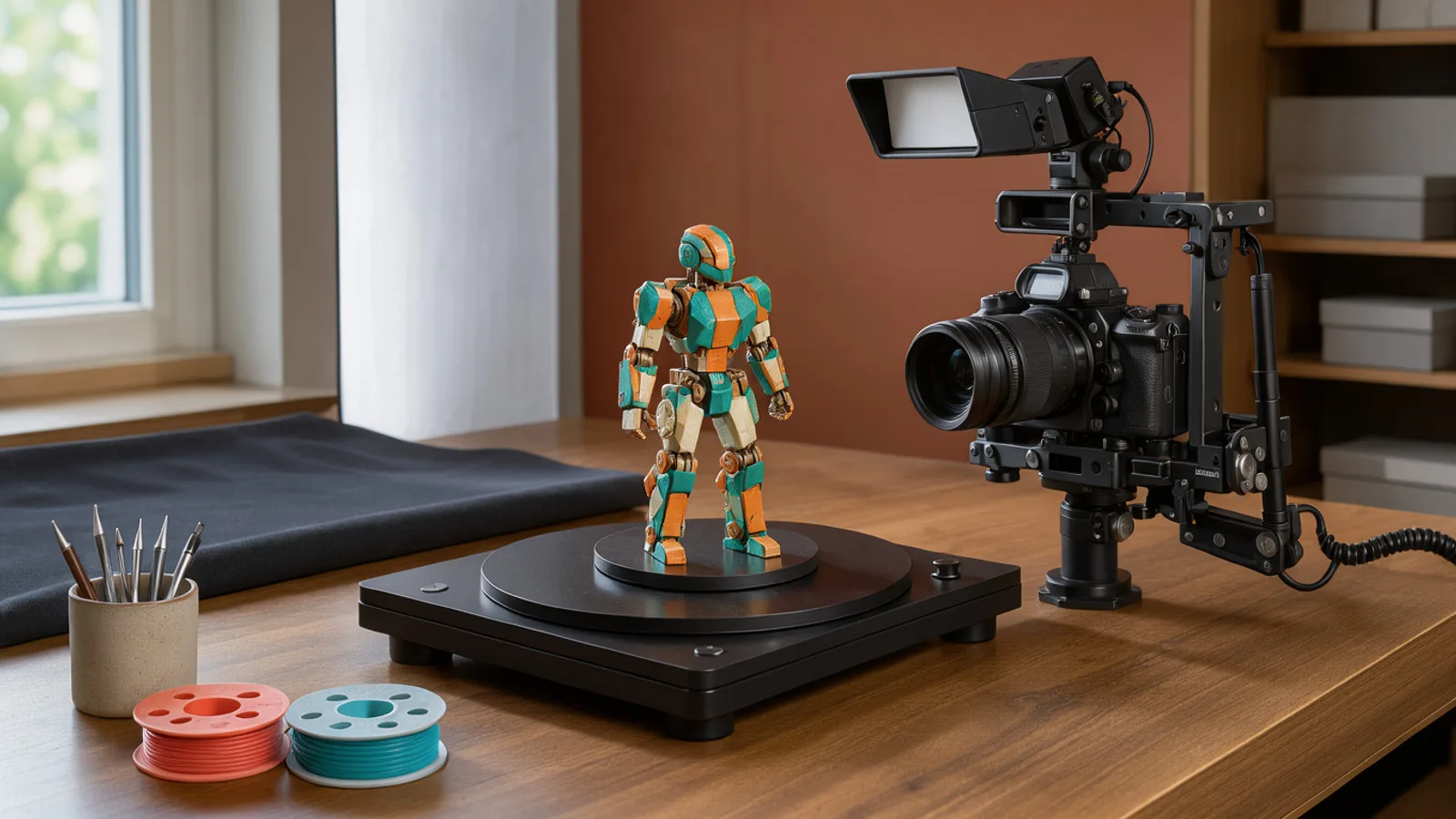 A product turntable and camera rig beside a 3D printed figurine
- Product mockups: generate a stand-in 3D object from a reference image, then render it from several angles in Blender for static ad variants.
- Interactive pages: the apple comparison site shows 3D embedded in a web page, which could suit landing page experiments.
- Concept testing: use Nano for quick object ideas before committing to production.
Fidelity is the open question. Meta's examples are objects and characters, and nothing published covers branded packaging, text on labels or exact product dimensions, so treat it as unproven for hero product shots. For those, a flow that chains image and video models is still more direct: see the AdGraam Creative Generator for static ads and the Flow Builder for repeatable pipelines. You can compare other models in the AdGraam Playground.
Muse Code 3D vs Meta's other Muse models
Muse Code 3D is a tool inside an agent, not a new named model. Meta's media models are separate: Drew Mailen lists Muse Image at a flat $0.01 per image and Muse Video as a limited preview with synchronized audio, not released.
| Item | Type | Status |
|---|---|---|
| Muse Code 3D | GLB generation inside Muse Code | Live for subscribers, Nov 20, 2026 |
| Muse Image | Image generation and editing | API since Aug 28, $0.01 per image |
| Muse Video | Text to video with audio | Limited preview |
What to watch next
Watch for three things: the name of the model behind the 3D tools, a standalone API, and native rigging. Meta has announced none of these. A Reddit post says replies are already asking for a standalone 3D API.
If Meta opens 3D to the API, it could sit next to Muse Image in ad pipelines. Until then, see our guide to static ads with AI for what works today.
What people are posting
Coding Agents Are Learning 3D: Meta Muse Code Drops GLBs Into Your Game Meta coding agent, Muse Code, can now make 3D models in the middle of a coding session. Ask for an object while you build a game or a scene, and it saves a textured GLB straight into your project. Input: a text description or an image Output: a textured mesh as GLB, saved to the project Two modes: Nano for fast, cheaper models, Pro for higher quality Limit on the base plan: about 30 models per 5-hour window, per Meta W
Thinking Machines Lab open-sourced a 26B looped transformer that runs offline on a 32GB MacBook, and Tencent released 770B Hy4 open weights. 4 more drops worth knowing from the 13 confirmed launches (Nov 20): - Meta adds native text-and-image GLB 3D model generation to Muse Code
Key takeaways
- Meta announced 3D modeling for Muse Code on Nov 20, 2026, in a post on its developer blog.
- Input is a text description or an image; output is a textured mesh saved as a GLB in the project.
- The Everyday Usage plan gets about 30 models per 5-hour period and the Nano model.
- Higher tier plans get more generations and a Pro setting for higher quality.
- Muse Code has no built-in rigging or animation tool; Meta suggests a Mesh2Motion skeleton plus Blender automatic weights.
- Meta has not said which 3D model runs underneath, and no standalone 3D API has been announced.
Compare 200+ AI video and image models side by side
Run Kling, Veo, Sora, Seedance, Flux, Ideogram and Recraft in one Playground, or turn any product URL into ready-to-launch ads.
Frequently asked
What is Muse Code 3D generation?
It is a set of 3D tools inside Meta's Muse Code coding agent. The agent can call them to create textured 3D models from text or images, much as it calls Muse Image for diffusion-based images.
How many 3D models can I make?
Meta says subscribers on the Everyday Usage plan can create about 30 models before hitting their usage limit for a 5-hour period. Higher tier plans can make more. Exact numbers for those tiers are not given.
Is Muse Code 3D free to try?
No. It is for Muse Code subscribers, and 3D generation counts against the subscription. Jiberish Labs lists Muse Code plans from $5 to $200 a month, as of Nov 10.
Can it rig and animate characters?
Not natively. Meta says there is no built-in tool call for rigging. Its suggested workaround is prompting the agent to rig with a Mesh2Motion human skeleton and Blender automatic weights.
Is there a 3D API?
Meta has not announced one. A Reddit post says replies are already asking for a standalone API for the 3D part, and Meta has not named the underlying model.
Sources
- Build 3D models with Muse Codedev.meta.ai
- Meta and Muse: models, plans, and our verdict - Jiberish Labsjiberishlabs.com
- Every Meta AI model, compared - Drew Mailendrewmailen.com
This story is still unconfirmed: it is based on what people are posting, and the company behind it has not announced it yet. We will update this page as it develops.
More AI model news & creative guides

MAI Image 2.7: #1 Editing Score at ~$35 per 1K Images
MAI Image 2.7 from Microsoft AI ranks #1 on Artificial Analysis image editing at about $35 per 1,000 images. Get the spec table, ad workflow tips and access.
Runway Agent: Chat-Based Video Tool, Pricing & Access
Runway Agent turns a short chat into a multi-shot video. See the credit costs per clip, plan prices, the full spec table and how ad teams can use it.
Pruna Video Endpoints: 6 Models, From $0.02/s
Pruna AI launched six video endpoints for text-to-video, avatars, replacement and upscaling, from $0.02/s. Get the spec table, ad workflow and access details.
Best AI Ad Generators for D2C Brands in 2026
Ten AI ad generators compared for D2C and e-commerce brands: what each makes, real starting prices, free options, and which suits Indian brands paying in rupees.
Break Even ROAS for COD Orders: How RTO Changes the Math
How to work out break even ROAS when a share of COD orders comes back as RTO, with worked rupee examples, a prepaid and COD mix, and why Ads Manager ROAS overstates COD.
What Indian D2C Brands Run on Meta: 2,790 Ads Analyzed
We studied 2,790 Facebook and Instagram ads from 14 Indian brands and their 747 longest-running ads: formats, angles, offers, languages and CTAs that last.
Your move
See your product as a winning ad
Turn a product URL into static ads and UGC-style videos, rebuild the competitor ads that already work, and read your Meta data to know what to make next.
AdGraam News DeskAI video and image news
The AdGraam News Desk (part of AdGraam, also searched as Adgram or Adgram AI) tracks AI image and video model launches, leaks and rumors from labs, leakers and creators, and checks each claim against its sources. Unconfirmed stories say so, and each page is updated as its story develops.